FREE seeds when we start our Gardening Coaching Sessions

Autumn Pruning: Roses
Why prune your roses in preparation for winter.
AUTUMNROSES
Josie
10/31/20255 min read

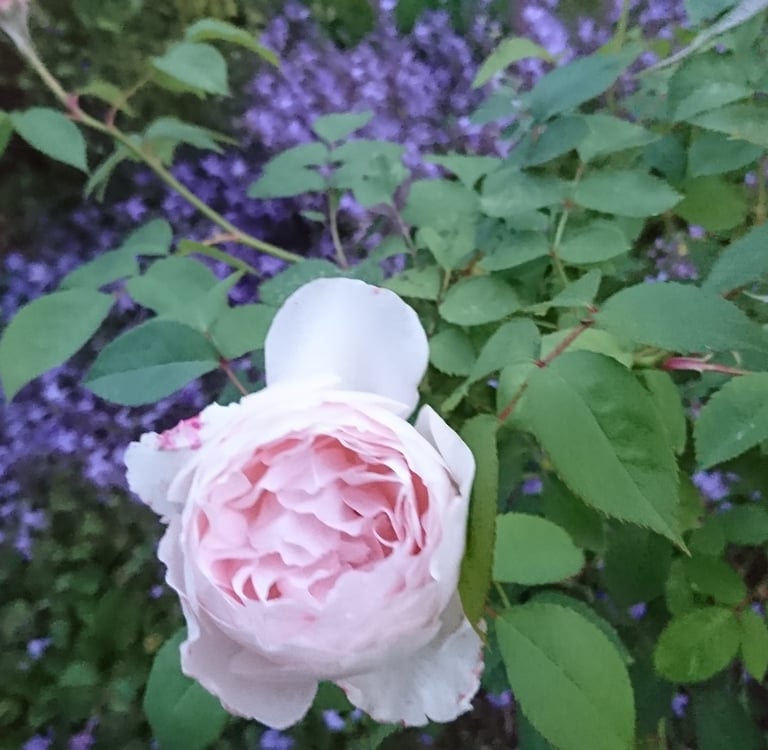
Why Prune Roses
Pruning is an essential practice that significantly contributes to the health and longevity your roses. The task takes on greater importance in autumn as it prepares the roses for the winter months, allowing them to emerge vigorous and resilient in the spring. One of the critical reasons for engaging in autumnal rose pruning is to prevent a condition known as wind rock. Wind rock occurs when rose plants become unstable due to loose or poorly anchored roots. This can be when they are not quite established from an earlier planting, or from extreme weather during the previous spring / summer.. You can help them now by trimming back the longest growth, reduce the centre of gravity and increase the overall stability of the plants. This will reduce their susceptibility to strong winds that can displace their root systems.
Proper pruning techniques help to shape the plant, removing dead or damaged wood and encouraging healthy growth. Beyond aesthetics, pruning promotes air circulation and sunlight penetration within the plant, which is vital for minimizing disease and stimulating foliage and flowers. When roses are pruned effectively, they can direct their energy towards new growth rather than maintaining excessive, weak stems that compromise their structural integrity. This is especially crucial right now, as part of your preparation for seasonal challenges begins. Maintaining robust roots through careful pruning can make a significant difference in how well roses fare during the harsh winter weather.
Fun Fact: Roses and Apples are related. I'll talk about pruning apple trees another time
Identifying and Removing the '3 D's'
One of the essential aspects of autumnal rose pruning is identifying and removing what are known as the '3 D's': dead, diseased, and damaged stems. The health of an plant significantly depends on the condition of its stems, so recognising and removing these three is crucial for promoting and maintaining overall plant health.
Dead stems are often brittle and may appear shriveled or discoloured. They do not produce any new growth and will serve as a breeding ground for pests and diseases. When gazing lovingly at your rose, also look for those stems that look different to the rest —these should be removed promptly. Removing dead stems not only cleans up the plant but also directs nutrients to healthier parts of the rose.
Diseased stems can exhibit various symptoms such as discoloration, unusual spots, or a wilted appearance. Common diseases affecting roses include black spot and powdery mildew, which can weaken the plant over time. To prevent the spread of these diseases, it is critical to prune any stems that show signs of infection. By eliminating the source of the disease, you enhance the chances of revitalizing your rose bush and bolstering its resistance to future problems. Once you have pruned out diseased stems, do not compost them. Ideally they should be burned. The solution for most of us is to send them to a commercial composting site where higher temperatures are achieved through the composting process.
Finally, damaged stems may result from harsh weather conditions, pest infestations, or physical damage. (When you threw the ball just a little too far and it rolled into the roses). These damaged stems can leave the plant vulnerable to infections and pests. Assessing your plant for any blemished or broken stems is vital; removing these not only mitigates risk but allows the rose to redirect its energy towards healthy growth. Overall, understanding and addressing the '3 D's' can lead to a stronger, more resilient rose plant capable of thriving through everything the seasons can throw at it.
Pruning Techniques and Tools
Now we've agreed that effective rose pruning is essential for maintaining the health and vitality of your rose bushes, particularly during the autumn season leading to harsher winter weather. It's even more important to use the right techniques and tools. Getting this bit wrong could be as plant limiting as leaving the pruning altogether! To begin, gather the appropriate tools which include sharp pruners, loppers, and disinfectant solutions. Clean, sharp blades are so, so vital in making precise cuts, which help to minimize shock and damage to the plant and reduce the risk of disease transmission.
When pruning, always disinfect your tools to prevent the spread of diseases. Choose something that works for you and your garden to clean the blades before and after each use. Perhaps rubbing alcohol or a diluted bleach solution. This disinfection is particularly important when moving between different rose bushes.
Sharp and clean tools will help you make good cuts without tearing. This will reduce the amount of stress inflicted upon the plant, allowing it to heal quickly.
In terms of technique, the general rule of thumb is to prune back to a 'something'. Something like a leaf joint or a bud. The plant cells are different in these areas and help the plant to respond well to the pruning. The angle of the cut is also important. I would recommend a 45-degree angle away from the bud or leaf joint, as this allows water runoff. Water sitting in a cut can increase the likelihood of the cut rotting and allow diseases into the plant. Also, in colder weather standing water will freeze and expand. If this happens to an unhealed cut, the wound will deteriorate rather than heal.
When pruning, consider removing stems to promote air circulation and ensure that the plant expends its resources on healthier, productive areas. There's every chance you'll be removing rose blooms during this bit, so get a vase ready to enjoy some last flowers inside your homes.
By incorporating these best practices in your autumnal rose pruning routine, you can keep your rose bushes strong.
Maintaining Hygiene During Pruning
Yes, I know....this isn't the most fun part. However, maintaining proper hygiene during pruning is crucial not only for the health of the plants but also for the longevity of your gardening tools. Transfer of diseases can occur when tools are contaminated, leading to unhealthy plants.
It is massively important to incorporate a simple disinfecting routine before and after each use:
Choose your disinfectant solution.
Check it's safe to use in your garden.
Soak the cutting blades of your pruning shears and other tools for a few minutes
Wipe them down with a clean cloth.
In addition to disinfecting tools, keep your working area clear from debris as you go. Fallen leaves, dead stems, and pruned materials can harbour diseases. I tend to put something to catch debris under the plants I'm working on. Then clear away any accumulated stems, leaves and other debris regularly and dispose of it properly (see the section above). This helps to avoid spreading the disease you've just pruned out, back to your healthy plants.
From your own point of view, it is definitely advisable to wear gloves when handling rose plants. Lots of gardening gloves and the longer gauntlets are available. You don't need to be delicate during pruning, so the thicker the better to avoid thorns! As well as protecting you from thorns, this protects the roses from residues that could also encourage disease.
Even though we're approaching winter and you'll perhaps do less gardening in winter, it's still important to keep your pruning equipment clean. You never know when you'll need to nip out to rectify wind damage. As well as keeping them sterile, regularly inspect them for any signs of wear or damage. After completing the pruning process, give your tools another thorough clean and disinfect to prepare them for future use. This practice (along with no losing them in the compost heap) should extend the lifespan of your equipment. By sticking to these hygiene maintenance processes, you will enjoy a thriving rose garden come the warmer months.
Contact us for more information on fees
Expert guidance for your seasonal gardening needs.
© 2025. All rights reserved.